
Agility is the new leadership black. Leadership today requires you to be wide, deep and wide again. It requires you to have a clear picture of the future and be highly responsive to the climate and culture you are in right now. It needs to be adaptive and resistant so you make measurable progress towards the shared dream. Leadership agility is the ability to apply many and varied leadership styles to fast paced, ever changing environments. It’s the ability to read a room, shift a team, understand a person and make meaningful connections that move the mission forward.
Agile leadership is the ability to manage people and structures, relationships and reporting, policy and technology. It’s the ability to see the difference between the two. On the Forbes Blog Karl Moore has Brian McGowan saying this about the agile leader:
“What does leadership agility look like? Next Gen leaders must be able to proficiently move, change and evolve the organisation. Agile leaders are creative thinkers with a deep sense of purpose. They show a propensity and ability to move into action and make decisions, and their implementation often results in greater learning. Agile leaders actively engage diverse stakeholders, influencing and studying them simultaneously. This individual is not an average employee; they “seek pain to learn.” Agile individuals are motivated by expanding their knowledge, questioning the status quo, and actively migrate towards challenges. They thrive off of solving the difficult problems within the organisation, as they believe it mutually benefits themselves and the company. They enjoy getting through in the deep end of the worst problems.”
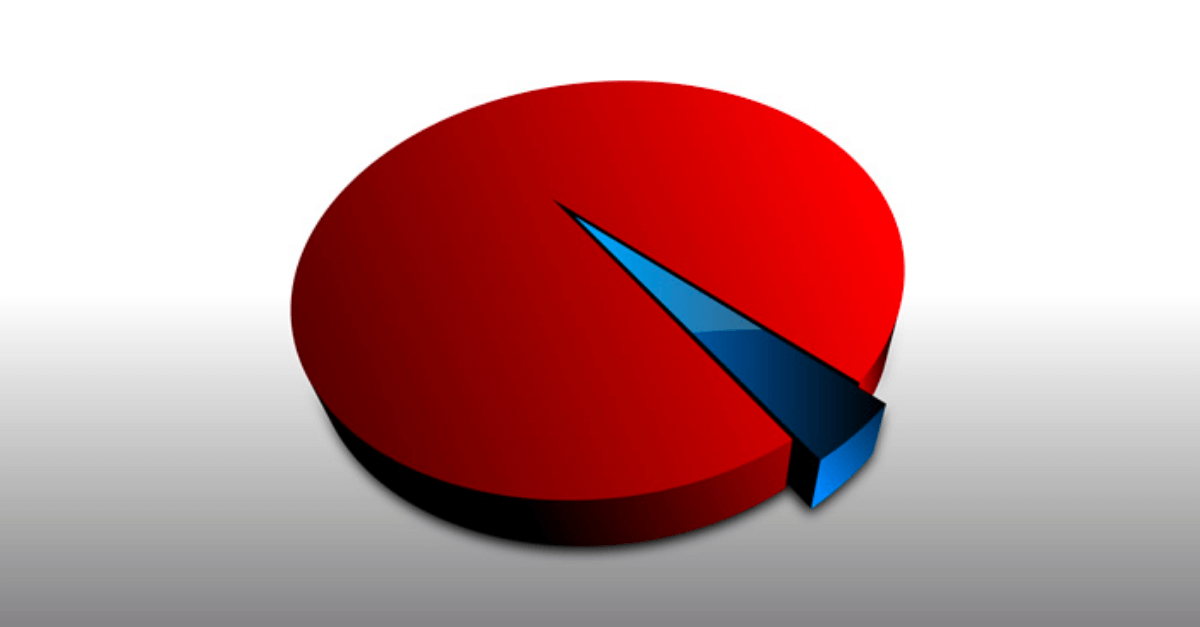
Agile is the new 15% (See HBR Article below). Most leaders lead toward functional expertise. Good at being able to deliver on a few narrow responsibilities. The agile leader is better and broader than that. In the HBR article “Seven Transformations of Leadership” they list seven traits of leaders.
7. Alchemist
6. Strategist
5. Individualist
- 15% of workforce is above this line.
———————
- 85% of workforce is below this line.
4. Achiever
3. Expert
2. Diplomat
1. Opportunist
The bottom four are the Opportunist, diplomat, expert and achiever. These people comprise 85% of the workforce and get things done with technical excellence. They are outstanding people, excellent at their work. The top three make up 15% of the workforce and the Alchemist is only 1% of the workforce. These are people who have developed key skills around adaptability, agility and personal and corporate reinvention. Why does this matter? For three reasons:
#1. You can identify your current level of leadership
When you know where you are at right now, you can map out a preferred future. When you can identify what level of leadership you have, and where that needs to move to. By leveraging off the Agility model you can take the first step towards growth and reinvention. Leaders who grow, lead people who grow, and organisations that grow.
#2. You have somewhere to go (unless you’re an Alchemist already)
For the 99% left, the Agility Master Model and the HBR insights give us some clear next steps. Designing an environment that helps you create WHAT you need to work towards (Think HBR) and HOW you can get there (Think Agility Model) you are able to be specific, measurable and time bound in the way you develop new insights and skills.
#3. You can help others develop to new levels of leadership.
The 15% of leaders that exhibit these traits are able to undergo personal and corporate reinvention. They can lead in amongst paradox and in the midst of tensions between their own value system and the environment they find themselves in. Leading in the grey and responding to environments is an essential leadership skill. One that can be learnt and taught.
Leadership development is intentional, personal and sacrificial. When you want to part of the 15% you find a clear pathway that moves you deliberately towards the exciting future you can see for yourself and those around you.


Leave A Comment